Insider picks with real prices, hours, and the stuff guidebooks leave out.
 Flavia Voican · Updated April 11, 2026
Some links are affiliate links. Learn more.
Wander the 12km underground tunnels carved into the sandstone cliffs 400 years ago. Feel the cool, damp air and hear the echo of your footsteps as you trace the path where soldiers once patrolled. The best time to go is early morning when the crowds are gone—you’ll get the full sense of history without the tour groups. Locals say the tunnels are most atmospheric at sunset when the lanterns flicker on.
This cobblestone street (the oldest in Luxembourg City) is where the city’s soul lives. You’ll find 18th-century timber-framed houses, tiny cafes with steaming coffee, and street artists painting the scenes. Pause at the old iron bridges over the Alzette River—they’re perfect for snapping photos of the Luxembourg Castle looming above. Most visitors find the quiet mornings here (before 10am) to be the most special.
Climb the 1,000 steps to the top of this 13th-century fortress for a panoramic view of the entire city. The effort is worth it—the view stretches from the Grund’s red roofs to the rolling hills beyond. Bring water, as it’s steep, but the local guidebooks say the best time to go is midday when the light turns the city gold.
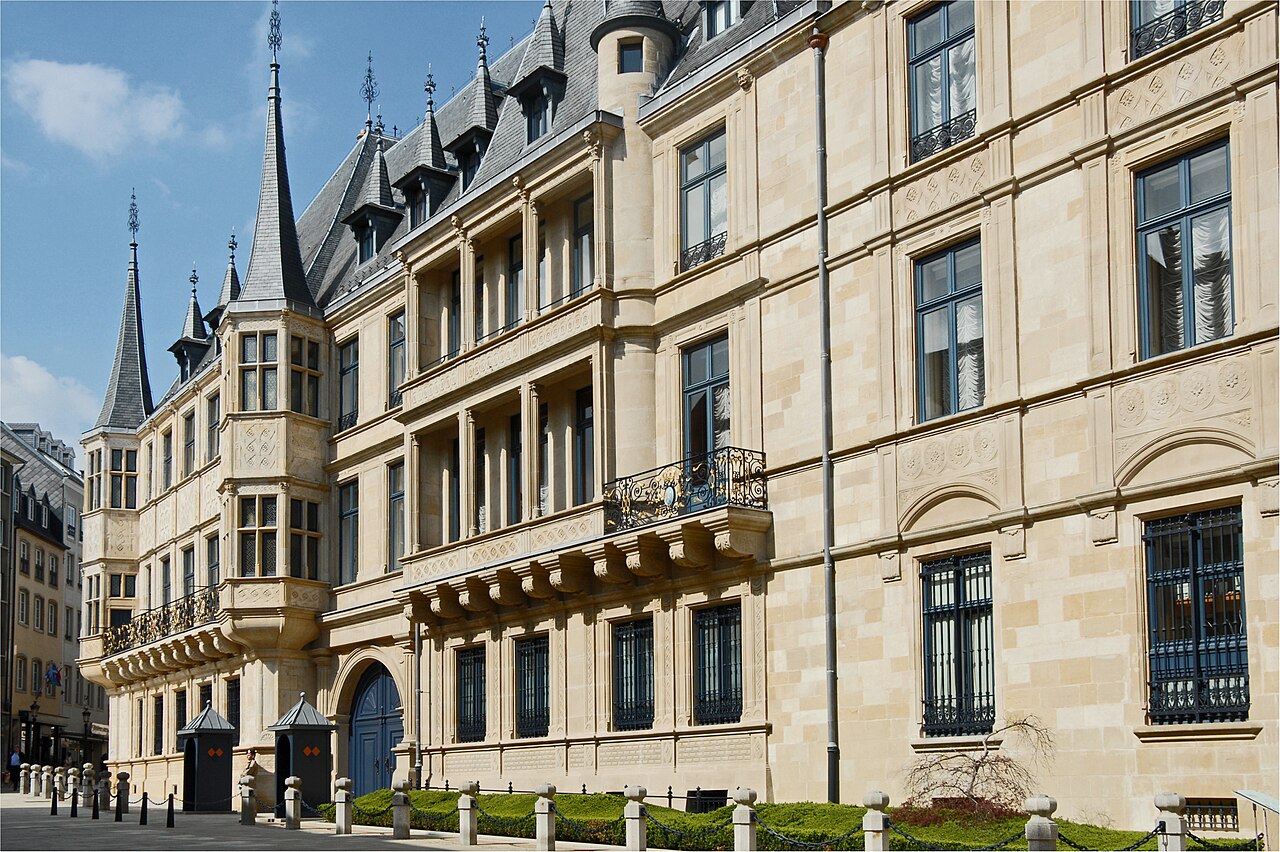
These 20 acres of manicured gardens (near the Grand Ducal Palace) are the city’s green heart. Rent a rowboat on the pond, sit on a bench shaded by ancient oaks, or wander past the rose gardens. The locals love to picnic here on Sundays—bring a baguette and cheese, as the area feels like a Parisian escape. Most visitors find the gardens peaceful, even in summer.
See Luxembourg’s story unfold in 12 galleries—start with the Roman artifacts, then move to the impressive 19th-century paintings. The museum is free on Wednesdays, but weekdays are quieter. Don’t miss the rooftop terrace for a view of the city’s skyline. Locals say the art collection is underrated but deeply moving.
This tree-lined valley is where Luxembourg’s modern and historic sides meet. You’ll see sleek glass buildings next to old churches, with cafes spilling onto the sidewalks. Stop at a café for a "Luxembourg wine" (a local specialty) and watch the river flow. Most visitors find the valley’s mix of old and new perfectly captures Luxembourg’s spirit.
This 19th-century Gothic gem is the city’s spiritual center. Step inside to see the stained-glass windows and feel the hushed reverence. The cathedral is free to enter, and the organ concerts on Sundays are a local tradition. The area around it is quiet—locals say it’s the best place to feel the city’s calm heartbeat.
This modern government and business hub is surprisingly peaceful. Walk through the open-air sculpture park, then head to the European Court of Justice building (you can’t enter, but the architecture is striking). The district’s parks are great for a quiet lunch. Most visitors find it’s the perfect spot to reflect on Luxembourg’s role in Europe.
Try "Gromperekichelcher" (potato pancakes with bacon) at a family-run spot like "Le Grand Café." Order it with a glass of local wine—it’s a meal locals eat weekly. The atmosphere is warm, with old wood tables and the smell of fresh bread. Visitors often say this is the best way to experience Luxembourg’s food culture.
Ride the cable car across the Alzette River for a bird’s-eye view of the city’s rooftops and the bridge’s elegant arches. The ride is short but memorable—especially at sunset when the city lights start to glow. Most people find the bridge walk (after the cable car) the perfect way to end the day.
Ready to book your flights?
Search Flights to Luxembourg City →About · Contact · Editorial Policy · How We Make Money
Book Tours & Experiences