Insider picks with real prices, hours, and the stuff guidebooks leave out.
 Flavia Voican · Updated April 11, 2026
Some links are affiliate links. Learn more.
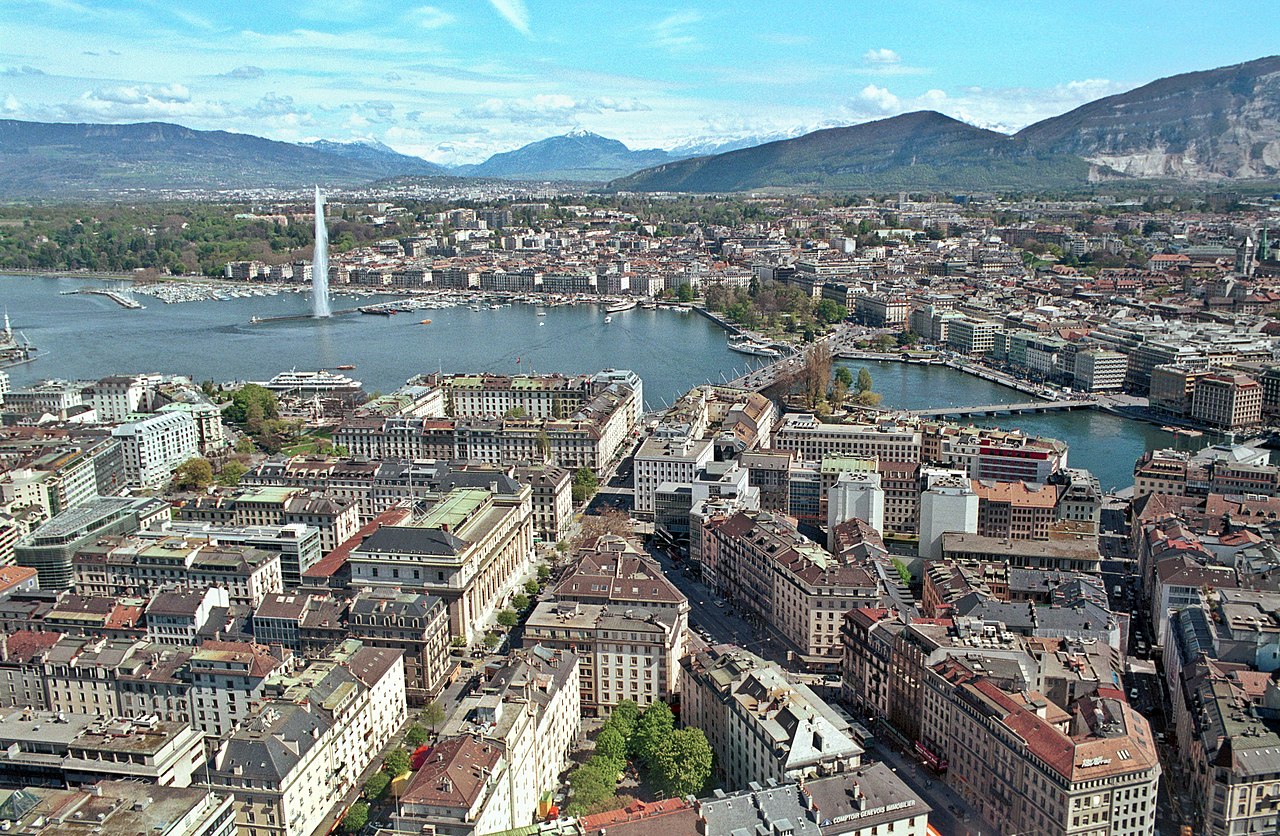
Feel the Swiss precision in your bones as you walk the tree-lined esplanade. Watch sailboats glide past the jet d'eau fountain (the world's largest), with the Alps shimmering in the distance. Locals sip coffee at terrace cafés while students sketch the view. Best time: Sunset when the water turns molten gold. Tip: Skip the touristy "boat tours" – the lake is best enjoyed on foot.
Wander cobblestone streets where medieval towers meet Renaissance facades. Find hidden courtyards like the Cour des Archers (15th century) and duck into the Maison Tavel (Geneva’s oldest house, 14th century). Why it works: You’ll see why Geneva was a Protestant hub – the atmosphere feels like stepping into a Calvinist-era history book. Avoid: The overpriced "souvenir shops" near the cathedral.
This iconic 140-foot water fountain (erected 1886) is Geneva’s heartbeat. It’s free, open 24/7, and visible from anywhere along the lake. Pro move: Photograph it from the Bourg-de-Four bridge at dawn – fewer crowds, mist rising off the water. Fun fact: It uses 500m³ of water per minute, enough to fill 10 Olympic pools hourly.
Geneva hosts 17 UN agencies – the largest concentration outside New York. Must-do: The free guided tour (book ahead) to see the Palais des Nations’ 500-foot-long "Hall of Peace." Why it’s unique: You’ll feel the weight of global diplomacy – diplomats actually work here, not just for tourists. Tip: Ask about the "UN Peace Museum" exhibit (hidden behind the library).
This living masterpiece (1955) blooms with 6,000 flowers in a 22-foot diameter clock. Key detail: The flowers change with the seasons – tulips in spring, roses in summer. Local secret: Sit on the "Belle-Vue" bench overlooking the clock; it’s where Genevans picnic while watching the clock’s hands "walk" the flower petals.
Geneva’s "Central Park" – 60 acres of wild gardens, hidden waterfalls, and a tiny vineyard. Do this: Follow the "Labyrinth Path" to the waterfall (10-min hike). Why it’s special: It’s the only park in Europe where you can see wild foxes (yes, really). Avoid: The touristy "fairy tale garden" near the entrance.
Not a tourist trap – this 100-year-old shop serves 200+ cheeses (including rare Gruyère from Val d’Illiez). Order: The "Geneva Trio" (Emmental, Vacherin, and a local goat cheese). Price: Around 15-20 CHF for a tasting. Why it’s authentic: The owner’s grandfather opened it in 1923 – no fancy menus, just cheese and conversation.
This 100-meter-long stone wall honors 100 Protestant reformers (Calvin, Knox, etc.). Best angle: Photograph it at sunset from the Jardin de la Perle garden. Deep cut: The wall was built in 1909 to celebrate Geneva’s role in the Reformation – it’s a silent history lesson in stone. Tip: Look for the "hidden" carving of Calvin’s face near the top.
Only if you’re in town during June: Geneva’s film festival (est. 1990) screens 400+ films across 15 venues. Why it’s special: Unlike Cannes, it’s accessible – you can see indie films in a historic church or a lakeside terrace. Local tip: Grab a baba au rhum (Geneva’s famous cake) at La Pâtisserie des Remparts while waiting for screenings.
Geneva’s "secret escape" – the train hugs Lake Geneva’s edge with views of Château de Chillon. Why it’s essential: You’ll see why Geneva is Switzerland’s cultural capital (not just financial). Pro move: Get off at Montreux, visit the castle, then take the return train – the lake views are sharper than any photo. Cost: 18 CHF round-trip. Time: 45 mins total (arrive by 10am to avoid crowds).
Ready to book your flights?
Search Flights to Geneva →About · Contact · Editorial Policy · How We Make Money
Book Tours & Experiences